Summary
HITACHI
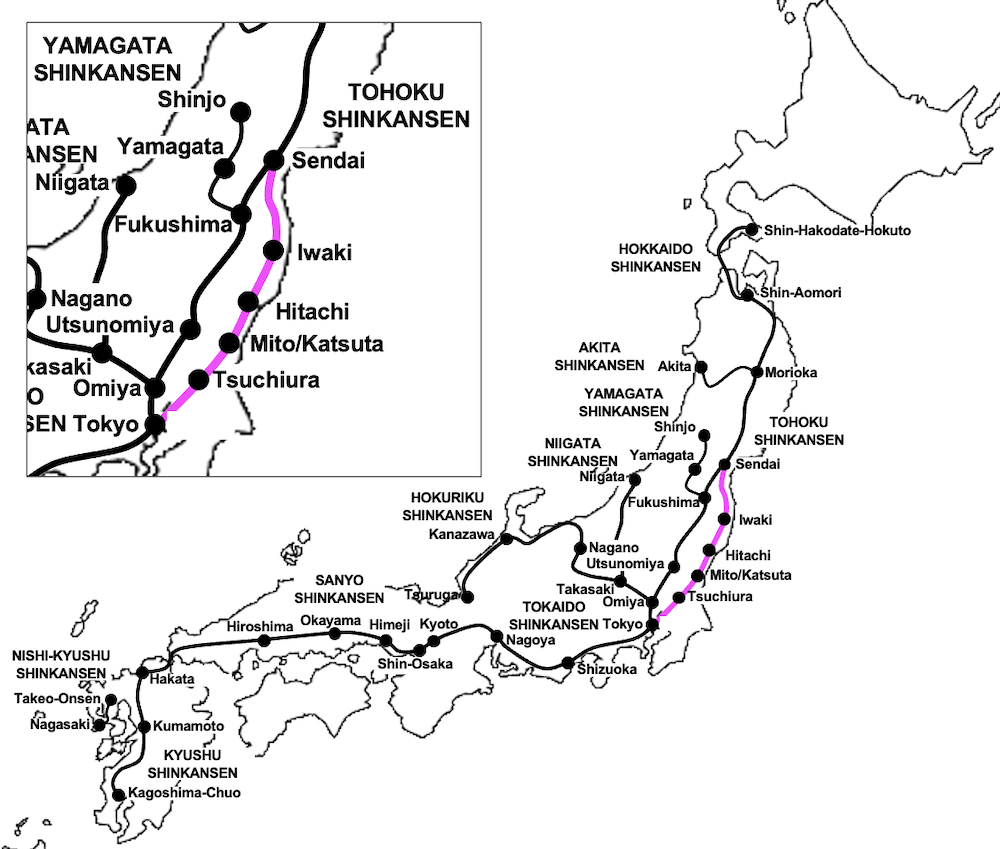
The Limited Express HITACHI connects Shinagawa in Tokyo with Iwaki and Sendai, providing fast and comfortable travel along the Joban Line. The route passes through the coastal areas of Ibaraki and Fukushima Prefectures, offering scenic ocean views and access to popular destinations such as Mito, Iwaki, and the spa town of Yumoto Onsen.TOKIWA
The Limited Express TOKIWA operates between Shinagawa in Tokyo and Takahagi or Katsuta, serving the Ibaraki region along the Joban Line. It provides convenient access to destinations such as Mito, home to the historic Kairakuen Garden, and Hitachi, known for its coastal scenery and cherry blossoms.Both the HITACHI and TOKIWA are operated with modern E657 series trains featuring comfortable seating, power outlets, and free Wi-Fi. Offering smooth and pleasant travel along the Joban Line, they provide fast and convenient access to scenic destinations on Japan’s Pacific coast, making them ideal for both long-distance travel to the Tohoku region.

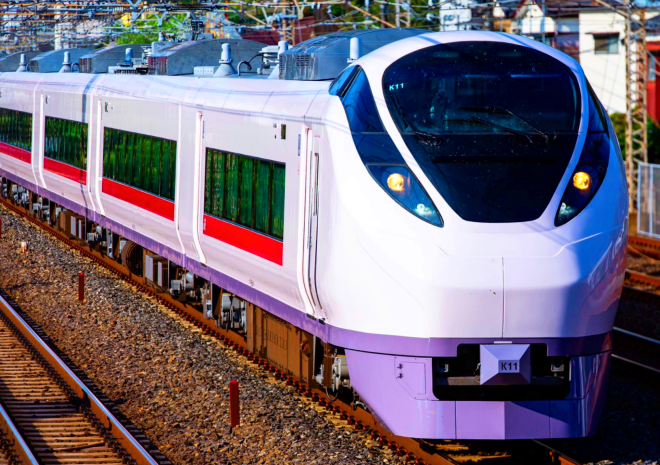
E657 series train set
Route map
Seat types
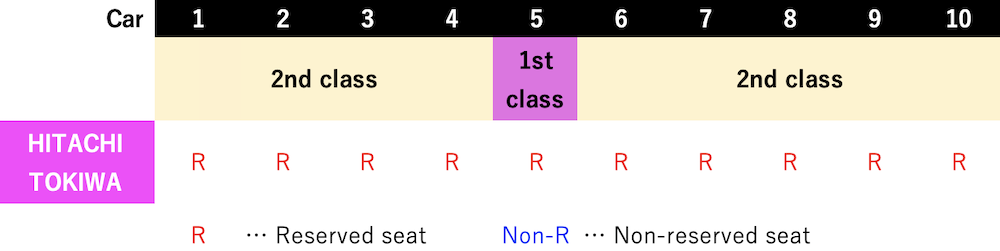
- All seats are reserved.
- If you hold a unreserved seat ticket, you may sit in any unoccupied seat. Please give up the seat if a passenger with a reserved seat ticket arrives.
1st class
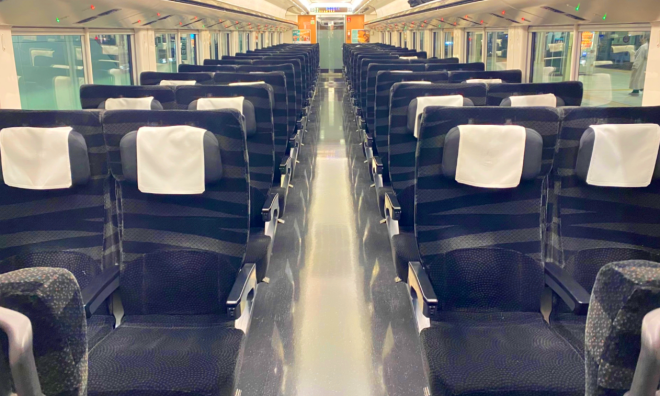
Car 5 is 1st class, called “Green Cars.” All seats are reserved. They feature a 2+2 seating layout, offering comfort even on long journeys. The seat pitch and seat width are larger than those in 2nd class.
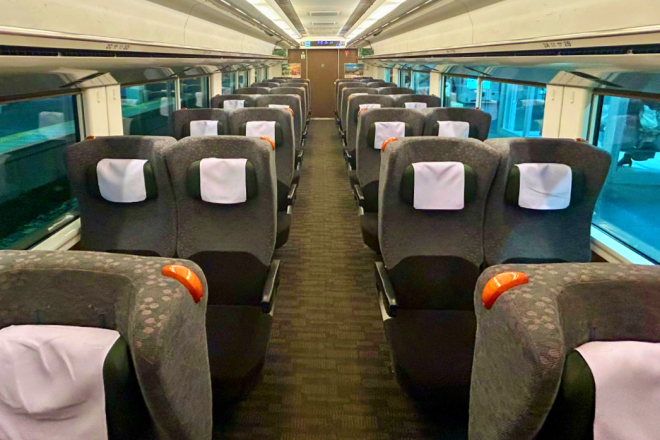
2nd class
All cars (excluding Car 5) are 2nd class, with a 2+2 seating layout.
Stops
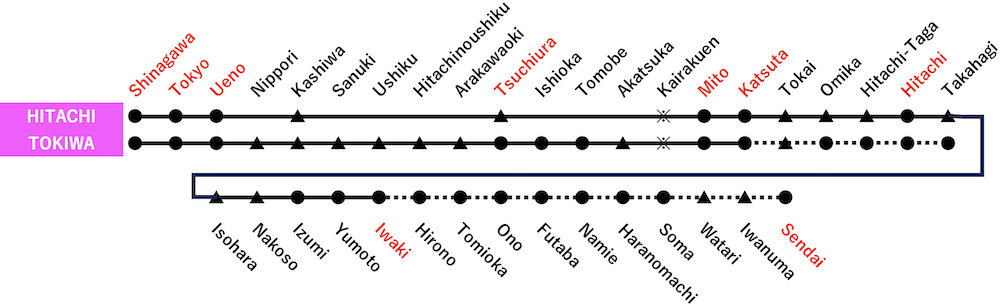
- The stops of the trains vary depending on the train.
- ▲ indicates stations where only some trains stop.
- Kairakuen Station is served only during the Plum Blossom Festival season.
- At Shinagawa and Tokyo stations, passengers can transfer to the Tokaido Shinkansen.
- At Tokyo and Ueno stations, passengers can transfer to the Tohoku, Hokuriku, and Joetsu Shinkansen lines.
- At Sendai Station, passengers can transfer to the Tohoku Shinkansen.
- Travel between Tokyo and Sendai takes about 1 hour and 30 minutes by the Tohoku Shinkansen.
- Some trains start or terminate at Ueno Station.
- There are three round-trip services that start and end at Sendai.
Travel Times and Fares for Major Sections
| Route | Type | Time | 1st class |
2nd class |
|---|---|---|---|---|
| Tokyo - Iwaki | HITACHI | 2h30m | ¥9950 | ¥6290 |
| Tokyo - Hitachi | HITACHI | 1h50m | ¥7150 | ¥4880 |
| Tokyo - Katsuta, Mito | HITACHI / TOKIWA | 1h30m | ¥6160 | ¥3890 |
| Tokyo - Tsuchiura | TOKIWA | 50m | ¥2960 | ¥2190 |
- Children aged 6 to under 12 pay half of the adult fare for 2nd class seats. Children under 6 travel free, but a child fare is required if a seat is reserved.
- The following fares are standard fares. During busy seasons, an additional ¥400 applies. During off-peak seasons, ¥200 is discounted.
- Although 2nd class also offers unreserved seat tickets, the fare is the same as for reserved seats. With a unreserved seat ticket, you may use any vacant seat, but you must give it up if the passenger who reserved that seat arrives. Since trains are crowded throughout the day, it is recommended to purchase a reserved seat ticket.
Onboard facilities
Restrooms
Located approximately once every two cars.

Power outlets
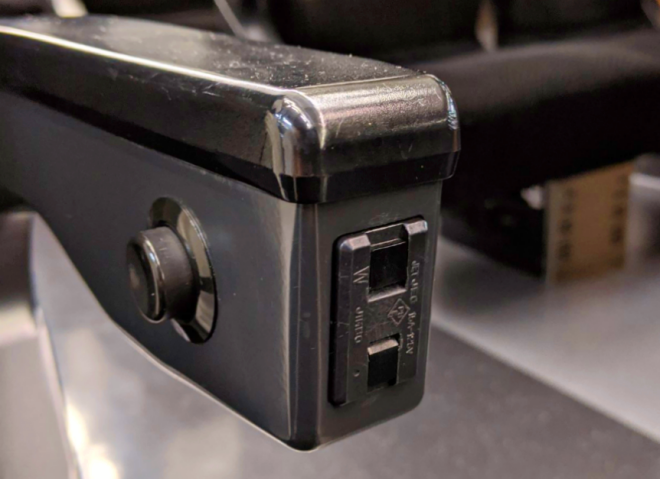
Every seat is equipped with a power outlet.
Wi-Fi
All trains offer free Wi-Fi service.
Seat reservation lump
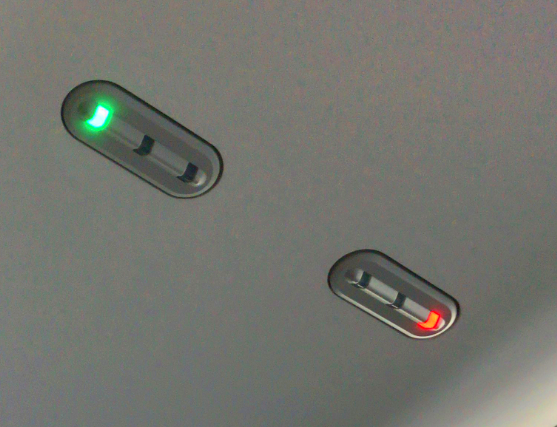
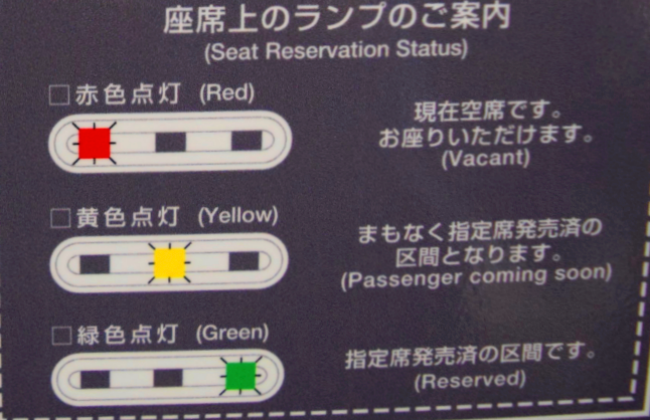
A seat lamp is installed above each 2nd class seat. A red light indicates that the seat is unoccupied. Passengers with a non-reserved seat can may use seats with a red light. As the train approaches the reserved section, the light will turn yellow. When this happens, please move to another seat with a red light.
Timetable
The timetable is frequently updated. Please check the latest version on the JR East website.
Major sightseeing spots
TOKYO
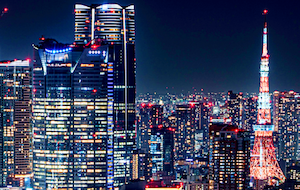
Japan’s capital, Tokyo, is a city where tradition and modern culture coexist. From historic sites such as Senso-ji Temple and the Imperial Palace to the bustling districts of Shibuya and Shinjuku, it offers endless attractions.
TSUCHIURA
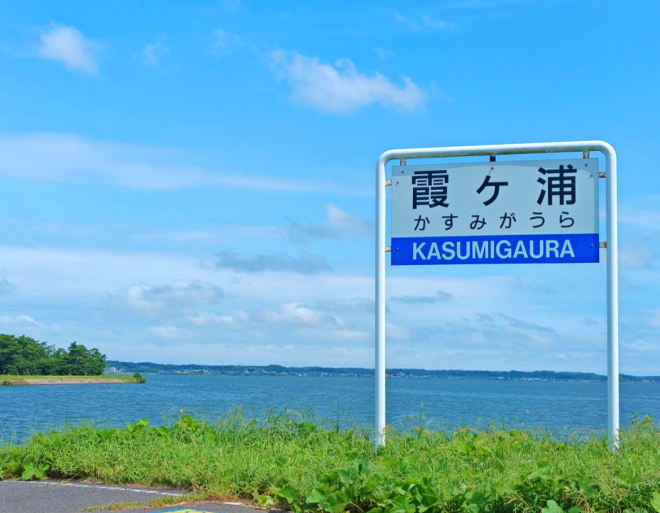
Tsuchiura is a historic city located along Lake Kasumigaura, Japan’s second-largest lake. Visitors can enjoy cycling, sailing, and scenic views of the water, as well as explore traditional streets and local cuisine.
MITO (KAIRAKUEN)
Mito, the capital of Ibaraki Prefecture, is best known for Kairakuen Garden—one of Japan’s three most celebrated gardens. Especially during the Plum Blossom Festival in early spring, the area attracts many visitors who come to enjoy the seasonal beauty. The city also offers historical sites like Mito Castle ruins and scenic spots around Lake Senba, making it a charming destination that blends culture, history, and nature.

KATSUTA
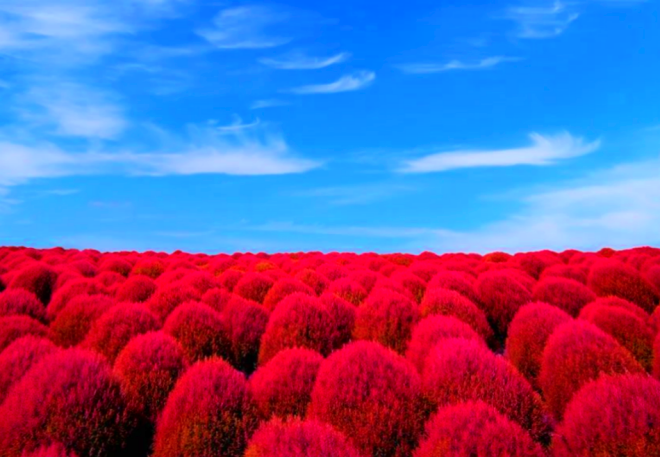
Katsuta serves as the gateway to Hitachi Seaside Park, known for its vast flower fields of nemophila in spring and kochia in autumn. It’s a must-visit destination for nature lovers and photographers.
IWAKI
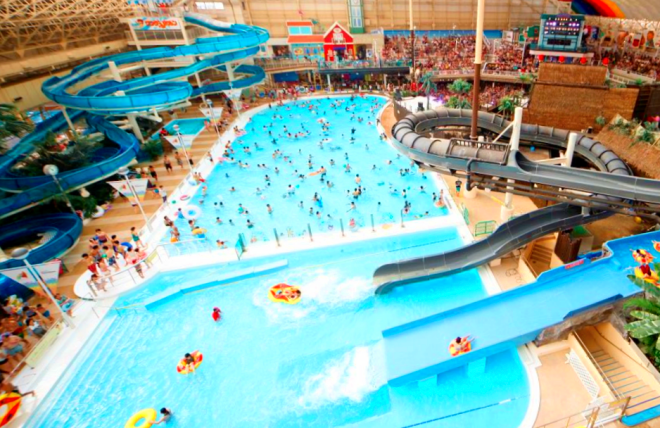
Iwaki is a coastal city known for Spa Resort Hawaiians, hot springs, and ocean views. The area’s mild climate and relaxed atmosphere make it a pleasant stop for travelers exploring the Tohoku coast.
Sendai
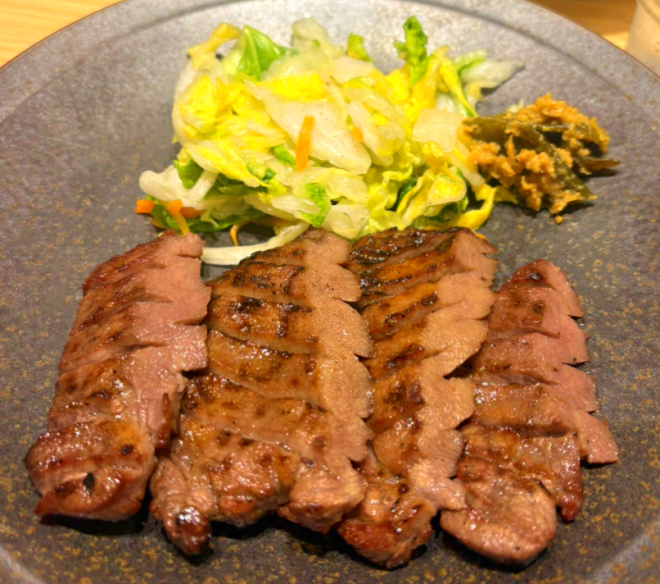
The largest city in the Tohoku region, known for the historic Aoba Castle ruins and as the gateway to Matsushima, one of Japan’s Three Scenic Views. Local specialties include beef tongue and zunda sweets.
Important Notes
- Holidays in May, August, and December are extremely crowded.
- The section between Shinagawa and Mito is crowded throughout the day. Early reservation is highly recommended.