Summary
The Tokaido Shinkansen is known as the world’s first high-speed railway to operate at speeds exceeding 200 km/h. It connects Japan’s capital, Tokyo, with Nagoya, Kyoto, and Osaka.
There are 3 types of Shinkansen services: Nozomi, Hikari, and Kodama. The fastest, Nozomi, takes about 2 hours and 30 minutes to travel from Tokyo to Osaka. Hikari makes additional stops such as Odawara and Shizuoka, making it convenient for travelers who wish to get off and enjoy local sightseeing spots along the way. Kodama stops at every station, making it ideal for visiting smaller towns and attractions along the route.
For example, in Tokyo you can visit Senso-ji Temple and Tokyo Tower; in Nagoya, Nagoya Castle and Atsuta Shrine; in Kyoto, Kiyomizu-dera and Kinkaku-ji; and in Osaka, Dotonbori and Osaka Castle.
Many trains continue beyond Shin-Osaka onto the Sanyo Shinkansen, providing smooth access to western cities such as Hiroshima, with its Atomic Bomb Dome, and Hakata in Fukuoka.
All trains are operated with the latest 16-car N700 series, offering spacious and comfortable seating along with well-equipped onboard services. The Shinkansen is the perfect means of transportation for efficiently exploring Japan’s many attractions.
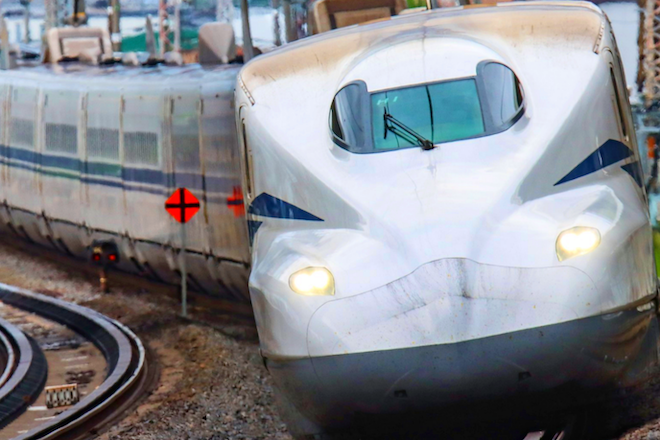
N700 series train set
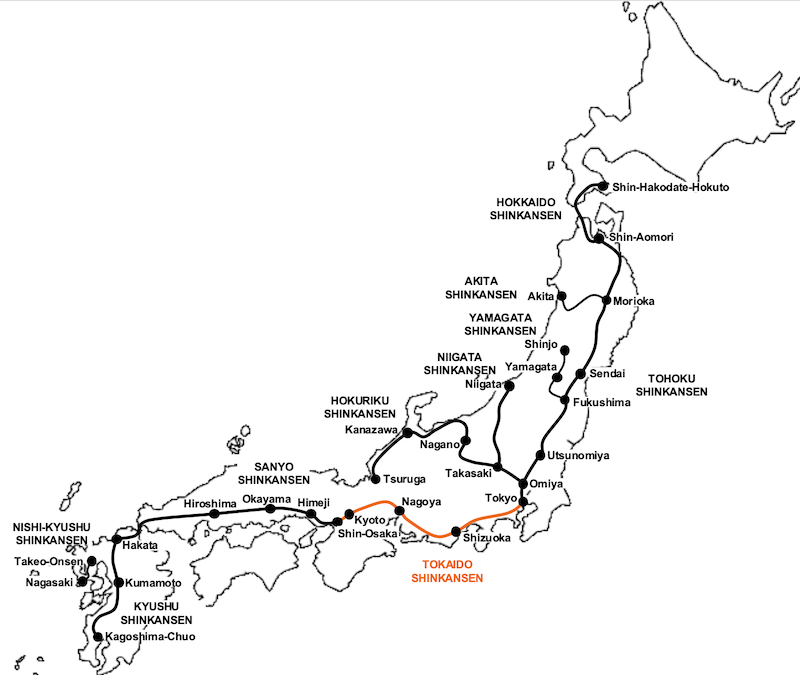
Route map
Train types
All trains are operated with 16-car N700 series train set.
NOZOMI (TOKAIDO, SANYO SHINKANSEN)
The fastest service on the Sanyo and Tokaido Shinkansen, Nozomi connects Tokyo and Hakata in about 5 hours, and Osaka and Hakata in around 2 hours and 30 minutes. It makes limited stops at major stations such as Shin-Osaka, Okayama, and Hiroshima. Operated with 16-car N700 series trains, Nozomi offers the quickest and most frequent long-distance option.

HIKARI (TOKAIDO, SANYO SHINKANSEN)
Hikari is the second-fastest service on the Tokaido and Sanyo Shinkansen. It stops more often than Nozomi, calling at cities such as Shizuoka, Okayama, and sometimes Himeji. Operated with 16-car N700 series trains.

KODAMA (TOKAIDO, SANYO SHINKANSEN)
Kodama stops at every station along the Tokaido and Sanyo Shinkansen lines. It is ideal for visiting smaller towns and regional destinations, though it takes longer for end-to-end journeys.

Seat types

- In the Green Car, all seats are reserved.
- On KODAMA and HIKARI trains, the non-reserved seat cars may differ depending on the train.
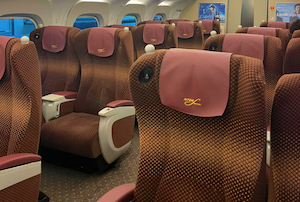
1st class (Green car)
Cars 8 to 10 are 1st class, called “Green Cars.” All seats are reserved. They feature a 2+2 seating layout with a seat pitch of 1,160 mm, offering comfort even on long journeys.
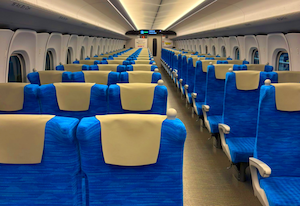
2nd class (Ordinary car)
All other cars (excluding Cars 8 to 10) are 2nd class, with a 2+3 seating layout. Reserved and non-reserved seats are the same type.
Stops
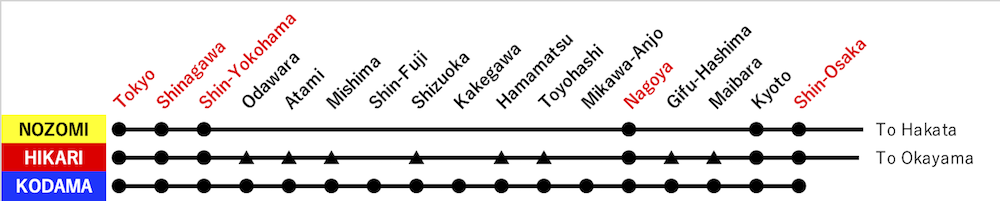
- The stops of the Hikari trains vary depending on the train.
- ▲ indicates stations where only some trains stop.
Travel Times and Fares for Major Sections
| Route | Type | Time | 1st class |
2nd class (R) |
2nd class (Non-R) |
|---|---|---|---|---|---|
| Tokyo - Shin-Osaka | NOZOMI | 2h30m | ¥19590 | ¥14720 | ¥13870 |
| Tokyo - Kyoto | NOZOMI | 2h15m | ¥19040 | ¥14170 | ¥13320 |
| Tokyo - Nagoya | NOZOMI | 1h40m | ¥14960 | ¥11300 | ¥10560 |
| Tokyo - Shizuoka | HIKARI | 1h | ¥8740 | ¥6470 | ¥5970 |
| Osaka - Shizuoka | HIKARI | 1h50m | ¥14750 | ¥11090 | ¥10560 |
- "(R)" means fare with seat reservation.
- "(Non-R)" means fare with Non-seat reservation.
- Children aged 6 to under 12 pay half of the adult fare for 2nd class seats. Children under 6 travel free, but a child fare is required if a seat is reserved.
- The following fares are standard fares. During busy seasons, an additional ¥400 applies. During off-peak seasons, ¥200 is discounted.
The table below provides the travel times and fares from Tokyo station to the major stations along the Sanyo Shinkansen.
| Route | Type | Time | 1st class |
2nd class (R) |
2nd class (Non-R) |
|---|---|---|---|---|---|
| Tokyo - Himeji | NOZOMI | 3h | ¥22640 | ¥16570 | ¥15400 |
| Tokyo - Okayama | NOZOMI | 3h20m | ¥23840 | ¥17770 | ¥16600 |
| Tokyo - Hiroshima | NOZOMI | 4h | ¥27020 | ¥19760 | ¥18380 |
| Tokyo - Hakata | NOZOMI | 1h | ¥31070 | ¥23810 | ¥22220 |
Onboard facilities
Restrooms
Located approximately once every two cars.

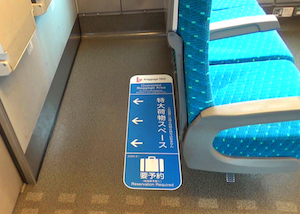
Oversized baggage compartment
Available in cars 6, 9, 13, and 15. The space behind the last-row seats is reserved for passengers seated in those last-row seats.
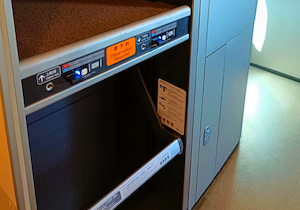
Oversized baggage area
Baggage with total dimensions (A+B+C) of between 160 and 250 cm requires a reservation. The areas is behind the back row. Passengers traveling with oversized baggage without a reservation will be charged a baggage fee (¥1000).
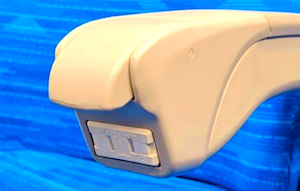
Power outlets
On the N700S, every seat is equipped with a power outlet. On the N700A, outlets are available at every seat in 1st class (Green Cars), and at window seats in 2nd class.
Wi-Fi
All trains offer free Wi-Fi service.

Timetable
The timetable is frequently updated. Please check the latest version on the JR Central website.
Major sightseeing spots
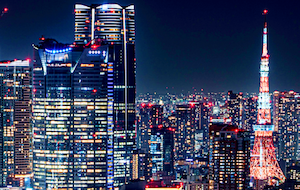
TOKYO
Japan’s capital, Tokyo, is a city where tradition and modern culture coexist. From historic sites such as Senso-ji Temple and the Imperial Palace to the bustling districts of Shibuya and Shinjuku, it offers endless attractions.
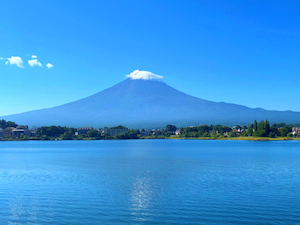
Shizuoka
Shizuoka is famous for its breathtaking views of Mt. Fuji, as well as its rich tea culture. Scenic spots like Nihondaira and Miho no Matsubara provide spectacular landscapes, complemented by the region’s mild climate.
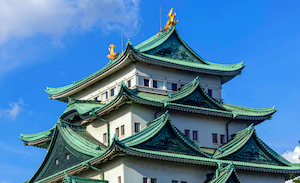
Nagoya
Nagoya is a historic city centered around Nagoya Castle, once associated with the Tokugawa family. Visitors can also enjoy Atsuta Shrine and local specialties such as miso katsu and hitsumabushi.
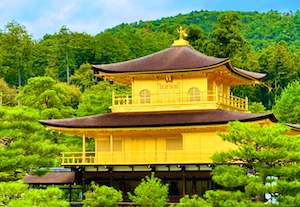
Kyoto
The ancient capital of Kyoto is a treasure trove of Japanese culture, home to UNESCO World Heritage sites such as Kiyomizu-dera and Kinkaku-ji. Its seasonal scenery and traditional townscape captivate travelers.
Osaka
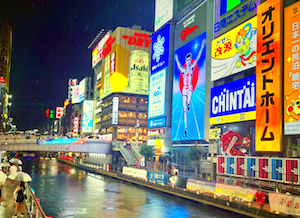
Osaka is known as Japan’s “kitchen,” famous for dishes like takoyaki and okonomiyaki. Visitors can experience the lively atmosphere of Dotonbori as well as historic landmarks such as Osaka Castle.
Important Notes
- Holidays in May, August, and December are extremely crowded. During these periods, all seats on the Nozomi are reserved.
- The morning and evening hours are also very crowded.
- Since non-reserved seats on the Nozomi and Hikari trains are often extremely crowded, we recommend using reserved seats.